What Is an RFID Travel Wallet and Do You Really Need One?
Travel wallets have become a common way to keep passports, cards and boarding documents together. Many now add RFID protection. The phrase is common, but what it does is not always clear.
For Australian travellers comparing options, including the best RFID travel wallet Australia has to offer, the useful question is what RFID protection can actually protect and whether it is worth considering alongside the basic features of a good travel wallet.
What Is an RFID Travel Wallet?
RFID stands for radio-frequency identification, a technology that allows information stored on a chip to be read wirelessly at close range. Contactless payment cards and electronic passports are familiar examples.
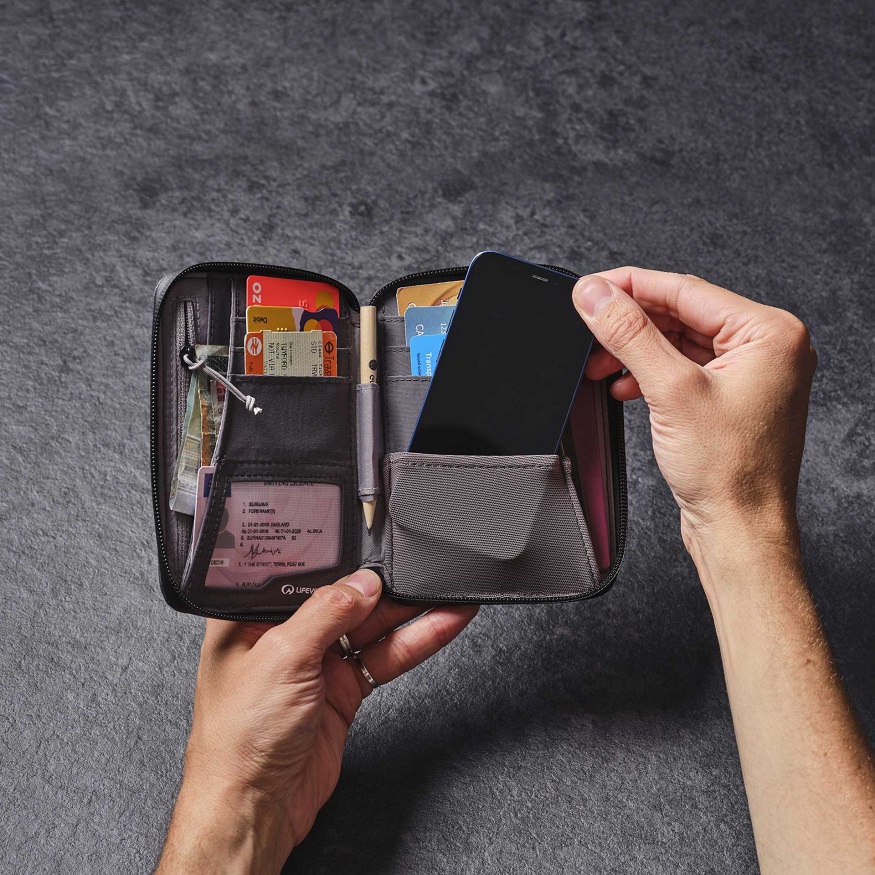
An RFID travel wallet includes a layer of material designed to interfere with those radio signals while your cards or documents are inside it. It works much like an ordinary travel organiser, with compartments for passports, cards and travel papers, but adds a barrier intended to prevent unauthorised wireless scanning.
A collection of RFID travel wallets can therefore combine organisation with this additional protective feature.
How Does RFID Blocking Work?
RFID-blocking materials are designed to reduce or stop radio communication between a reader and a chip inside the wallet. They do not deactivate your cards or alter the information stored on them. Once a card is removed, it should work normally at a compatible terminal.
Read More: TOO WINDY FOR A BOUNCY CASTLE? THE WIND-SPEED RULES EVERY PARENT SHOULD KNOW
This distinction matters. An RFID blocking wallet is not cybersecurity software, nor does it protect against every form of financial or identity fraud. Its purpose is narrower: to create a physical barrier against unwanted short-range radio communication while compatible cards are stored inside.
For frequent travellers, that may be useful because the wallet can perform two jobs at once, keeping documents organised while adding another layer of security.
What About Your Australian Passport?
Australian passports also contain electronic technology. The Australian Passport Office explains that the passport chip is embedded in the document and that its antenna forms part of the passport’s design.
That does not mean an RFID wallet is required for an Australian passport. Passport security involves more than radio-frequency protection. Keeping the document physically secure, dry and undamaged remains essential.
A travel wallet can still help by giving the passport a dedicated place rather than leaving it loose in a handbag, backpack or jacket pocket.
Do You Actually Need an RFID Travel Wallet?
For most people, an RFID travel wallet is best viewed as an optional layer of protection rather than an essential travel requirement.
It may make particular sense for international travellers carrying several contactless cards, frequent flyers who want a consistent place for important documents, or couples and families managing multiple passports. It can also be a sensible choice for someone already planning to buy a travel organiser. In that case, RFID protection adds functionality without adding another item to the carry-on.
The practical value often comes from the wallet as a whole. A well-designed leather travel wallet in Australia should make it easier to find a passport at check-in, keep cards separated from receipts and store boarding documents neatly.
What an RFID Wallet Will Not Protect You From
RFID protection has limits.
An RFID blocking wallet cannot prevent phishing, fraudulent websites, compromised online accounts or misuse of a card that has been physically stolen. It cannot protect a passport that is lost or damaged. It also cannot replace good digital security habits such as strong passwords and multi-factor authentication.
The most useful way to think about RFID protection is as one part of sensible travel security. It can protect compatible items while they are inside the wallet, but it should not create the impression that every financial or identity risk has been addressed.
Read More: DIAMOND CERTIFICATION EXPLAINED: GIA VS IGI VS SGL
What Should You Look for in a Leather Travel Wallet in Australia?
RFID protection should be one consideration, not the only one. A travel wallet also needs to work well during the journey.
Look for enough space for the number of passports you carry, dedicated card slots, room for boarding documents and a secure closure. Material matters too. A well-made leather wallet can withstand repeated trips while remaining refined enough for business or leisure travel.
For travellers carrying several documents, the Amalfi personalised leather travel wallet is designed to hold three to four passports and includes RFID protection. Those who prefer a slimmer format can consider the Tokyo personalised leather travel wallet, with a dedicated passport sleeve, card slots and space for a boarding pass.
Personalisation can also turn a practical accessory into a considered travel gift, particularly for honeymoons, overseas moves, milestone birthdays or frequent travellers.
So, Is an RFID Travel Wallet Worth It?
You do not need an RFID travel wallet simply because you are travelling overseas. But if you already want an organised place for passports, contactless cards and travel documents, choosing one with RFID protection can add a useful feature with little extra effort.
For Australian travellers, the best choice is the wallet that suits how they travel. At Mont Laurént, our personalised leather travel wallets are designed to keep essential documents organised in refined leather designs, with RFID protection available across selected styles.
Explore the collection and choose a travel wallet designed to stay with you beyond your next departure.