
The Unexpected Mental Health Benefits of Family Activity Breaks
For many people, a holiday is simply a chance to escape work, school and the routines of everyday life. While a change of scenery is certainly refreshing, the greatest benefits of an activity break often extend far beyond the days spent away. Taking time to move, explore and enjoy experiences together can have a remarkably positive effect on mental wellbeing, helping both adults and children return home feeling happier, calmer and more connected.
Modern lifestyles rarely allow families to slow down. Adults frequently balance demanding careers with household responsibilities, while children juggle school, homework, clubs and increasing amounts of screen time. Even when everyone is at home together, it is common for each family member to be occupied with their own device or activity. As a result, genuine opportunities to relax and reconnect can become surprisingly rare.
An activity break naturally interrupts these patterns. Instead of following familiar routines, families spend their days discovering new places, trying different activities and enjoying one another’s company without many of the usual distractions. This simple change of environment often provides an immediate sense of relief, allowing stress levels to fall and conversations to happen more naturally.
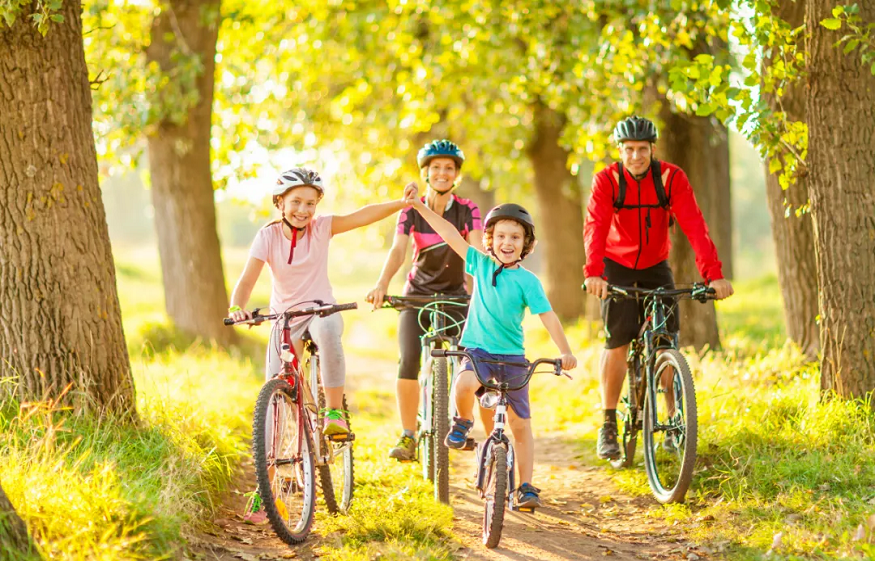
Physical movement itself plays an important role in improving mental health. Activities such as walking, cycling, swimming or participating in recreational sports encourage the body to release endorphins. These naturally occurring chemicals help improve mood while reducing feelings of anxiety and stress. Unlike structured fitness programmes, holiday activities rarely feel like exercise because the emphasis is on enjoyment rather than performance.
Fresh air and natural surroundings provide additional psychological benefits. Spending time in green spaces has been associated with lower stress levels, improved concentration and greater emotional wellbeing. A woodland walk, a stroll through gardens or simply spending more time outdoors allows people to disconnect from busy urban environments and appreciate a slower pace of life.
Read More: The Legal Bit: What You Need To Know About Getting Married In Spain As A Foreign Couple
Children often experience some of the greatest benefits from active holidays. During term time, much of their day is spent indoors, either in classrooms or using technology at home. An activity break gives them the freedom to move, explore and satisfy their natural curiosity. Running, climbing, swimming and discovering new environments all help build confidence while supporting healthy emotional development.
Adults may find the emotional impact equally significant. Many people underestimate how mentally exhausting everyday responsibilities can become. Constant notifications, work emails and endless to-do lists leave little room for proper relaxation. Taking part in enjoyable activities helps shift attention away from these pressures and towards the present moment, encouraging mindfulness without consciously trying to achieve it.
Interestingly, the psychological benefits often become even stronger when activities are shared. Families searching for inspiration, including those considering Manor & Ashbury Resorts, are frequently looking for opportunities to spend meaningful time together rather than simply finding somewhere to stay. Whether trying a new sport, exploring the countryside or working together during a friendly challenge, shared experiences encourage communication, cooperation and mutual encouragement, all of which contribute to stronger emotional wellbeing.
Learning something new also has a positive effect on mental health. Trying unfamiliar activities stimulates the brain, builds confidence and provides a genuine sense of achievement. It does not matter whether someone becomes highly skilled or simply enjoys the experience. Successfully attempting something different reminds people that they are capable of learning and adapting, which often carries over into everyday life after the holiday.
Laughter is another powerful contributor to emotional wellbeing. Family holidays often create countless opportunities for humour, whether someone misses an easy shot during a game, gets hopelessly lost while following a map or struggles to master a new activity. These moments of shared laughter strengthen relationships while helping reduce stress and tension.
Activity breaks also encourage better sleep. Spending more time outdoors, increasing physical activity and reducing evening screen time all contribute to healthier sleeping patterns. Better sleep has well-documented benefits for mood, concentration and emotional resilience, meaning families often return home feeling genuinely refreshed rather than simply rested.
One often overlooked benefit is the improvement in family communication. Daily life frequently limits conversations to practical matters such as school, work or household responsibilities. During a holiday, discussions become more relaxed and varied. Walking together or sharing meals after an active day creates opportunities for meaningful conversations that might never happen within normal routines.
Importantly, activity breaks do not need to be packed with constant excitement. Mental wellbeing often improves when there is a healthy balance between activity and relaxation. A morning spent exploring can be followed by a quiet afternoon reading, enjoying nature or simply reflecting on the day’s experiences. This combination helps prevent people from feeling rushed while still providing plenty of memorable moments.
The positive effects frequently continue after returning home. Families who discover a shared love of walking, cycling or another activity may decide to continue it at weekends. Children who gain confidence through trying something new may become more willing to join local clubs or pursue new hobbies. Even simple habits, such as taking evening walks together, can continue long after the holiday has finished.
Perhaps most importantly, activity breaks remind families that happiness is often found in experiences rather than possessions. Shared adventures, supportive conversations and moments of laughter strengthen emotional bonds in ways that material purchases rarely can. Looking back on these experiences months or even years later often brings the same positive emotions that were felt during the holiday itself.
Read More: ESSENTIAL PIECES EVERY HOCKEY FAN NEEDS FOR GAME DAYS
In today’s fast-paced world, looking after mental wellbeing has never been more important. While no holiday can remove every source of stress, an activity break offers something many families struggle to find in everyday life: uninterrupted time together, opportunities to reconnect with nature, enjoyable physical movement and the chance to create lasting memories. These simple ingredients combine to produce benefits that extend far beyond the holiday itself, leaving families happier, healthier and better equipped to face the routines waiting for them at home.